
 Português
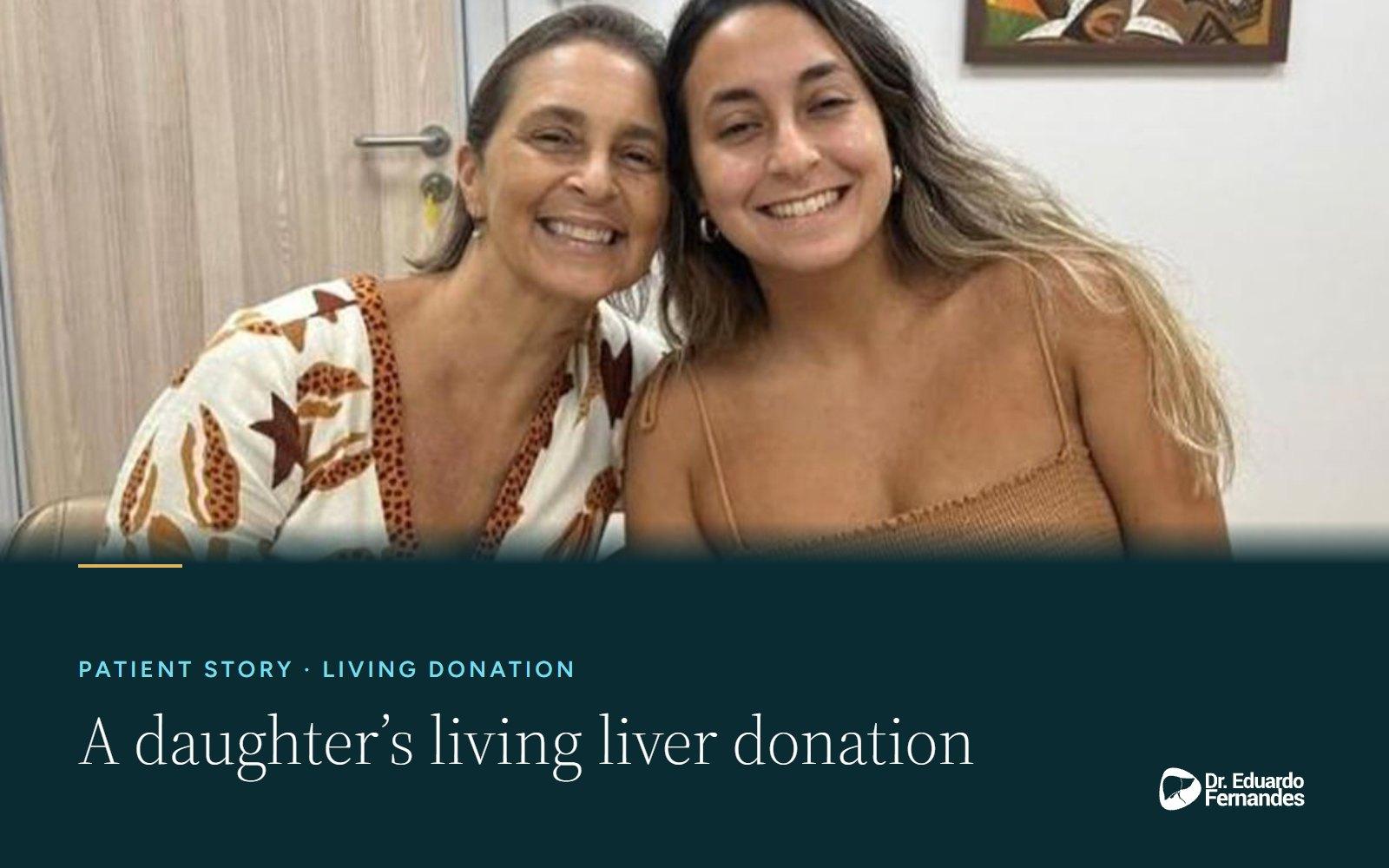
Elizabeth Maria Kastrup Silva, 54, underwent a pioneering surgery in Brazil. She underwent a liver transplant as part of her treatment for a rare type of cancer known as intra-hepatic cholangiocarcinoma, which affects the bile ducts.
HISTORY
Elizabeth discovered the tumor in June 2022, when the tumor had already invaded important blood vessels, making partial removal of the organ very risky. Additionally, she had cirrhosis caused by Hepatitis C.
At the time, Elizabeth was ineligible for Brazil’s deceased-donor liver transplant waiting list because she had cholangiocarcinoma. A living-donor transplant was an option. Her older daughter, Júlia, 26, offered to donate 65% of her liver.
“A transplant would reduce Elizabeth’s risk of liver complications and give her a chance to live longer.” — Dr. Eduardo Fernandes
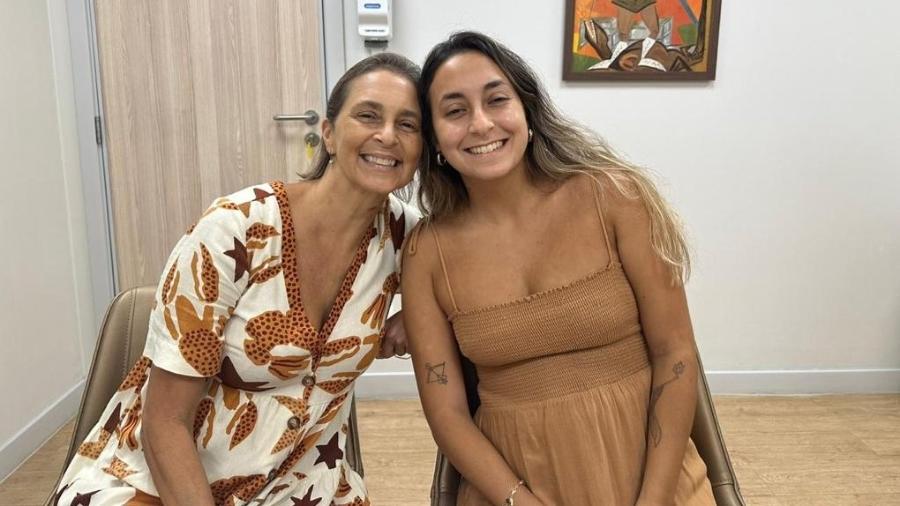
Elizabeth Maria Kastrup Silva, 54, underwent a pioneering surgery in Brazil. She underwent a liver transplant as part of her treatment for a rare type of cancer known as intra-hepatic cholangiocarcinoma, which affects the bile ducts.
HISTORY
Elizabeth discovered the tumor in June 2022, when the tumor had already invaded important blood vessels, making partial removal of the organ very risky. Additionally, she had cirrhosis caused by Hepatitis C.
At the time, Elizabeth was ineligible for Brazil’s deceased-donor liver transplant waiting list because she had cholangiocarcinoma. A living-donor transplant was an option. Her older daughter, Júlia, 26, offered to donate 65% of her liver.
“A transplant would reduce Elizabeth’s risk of liver complications and give her a chance to live longer.” — Dr. Eduardo Fernandes
TREATMENT
At the time of the report, transplantation for intrahepatic cholangiocarcinoma was a relatively new approach and had not previously been performed in Brazil. The team drew on work from the University of Texas, where researchers and colleagues at the Houston Methodist J.C. Walter Jr. Transplant Center studied patients with this cancer.
The researchers treated 12 people, six of whom received a transplant. Among the transplant recipients, survival was 100% at one year and 83% at five years. Half lived more than five years without their cancer returning. The study appeared in The Lancet Gastroenterology & Hepatology in 2018.
To be considered for transplantation in these cases, the cancer must be confined to the liver and unsuitable for surgical removal.
Elizabeth first received chemotherapy to shrink the tumor or, if possible, eliminate it. The team also used immunotherapy to treat the cancer before transplantation.
FAMILY
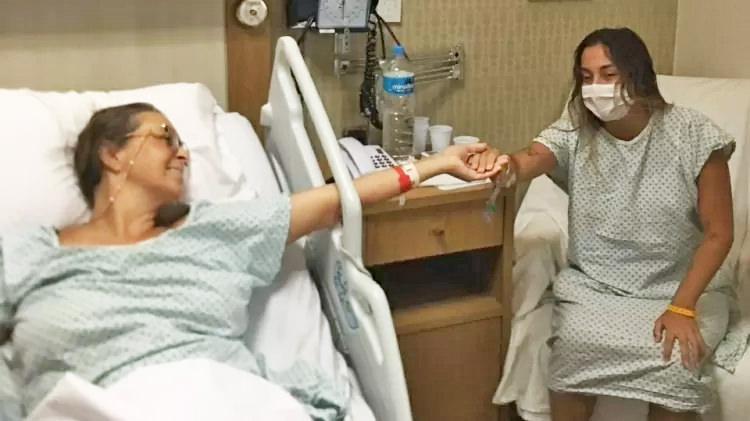
Elizabeth remembers worrying about her daughter at first. “I told her and her sister that this was my fight. It wasn’t their responsibility. But Júlia explained why she wanted to do it. She said, ‘Mom, my life wouldn’t make sense without you.’”
SURGERY
The surgeons had to remove the vena cava, a major blood vessel behind the liver, and replace it with a graft. “We then connected her daughter’s liver graft directly to the replacement vessel. That made this an extremely complex procedure,” Dr. Fernandes said.
During the operation, the team found that 70% of Elizabeth’s tumor tissue had died. “We consider the transplant a success. We hope the operation will help her live longer,” Dr. Fernandes said.
Elizabeth’s follow-up visits included routine monitoring for recurrence. The team hoped that, as with some transplant recipients in the U.S. studies, her tumor would not grow back.
Read the full story: https://www.uol.com.br/vivabem/noticias/redacao/2023/04/28/cancer-ela-recebeu-parte-do-figado-da-filha-em-cirurgia-inedita-no-brasil.htm
Photos courtesy of the family.
Dr. Eduardo de Souza Martins Fernandes · CRM-RJ 52.00731242