
 Português
WHAT IS IT?
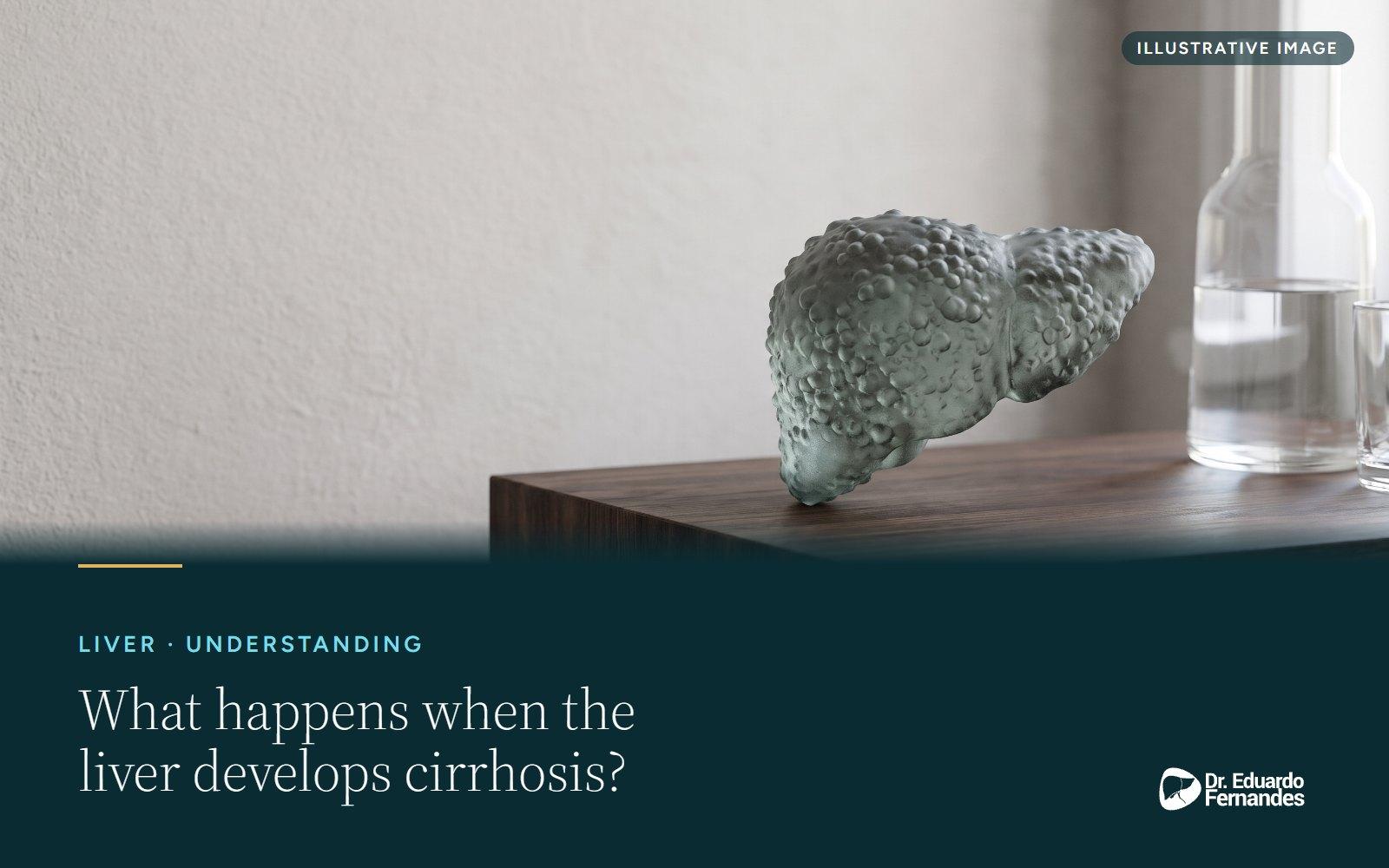
Hepatic cirrhosis is a chronic liver disease characterized by a gradual process of scarring and damage to liver tissue. The scarring leads to a decrease in the liver's ability to function properly and can result in serious complications, including liver failure and liver cancer.
WHAT ARE THE CAUSES?
Excessive alcohol consumption is the primary cause of hepatic cirrhosis, leading initially to fatty liver, then to alcoholic hepatitis, and finally to cirrhosis. Other causes include viral hepatitis, autoimmune hepatitis, non-alcoholic fatty liver disease, vascular disorders, biliary cirrhosis, and the use of certain medications.
WHAT ARE THE SYMPTOMS?
Many people with hepatic cirrhosis may not show symptoms in the early stages of the disease. However, as the disease progresses and normal liver tissue is replaced by scar tissue, symptoms may include loss of appetite, weight loss, generalized weakness and fatigue, swelling in the legs, fluid accumulation in the abdomen (ascites), jaundice, hormonal changes, palmar erythema, and clubbing of the fingers.
HOW IS THE DIAGNOSIS MADE?
The diagnosis of cirrhosis typically involves a combination of clinical history, physical examination, blood tests, and upper abdominal ultrasound. In some specific cases, a liver biopsy may also be necessary. However, liver transplantation is the only curative treatment available for cirrhosis. This procedure involves replacing the cirrhotic liver with a healthy liver from a deceased donor or a living donor, who can donate a portion of their liver.
HOW IS IT TREATED?
Liver transplantation is often indicated for patients who have complications from cirrhosis that do not respond to conventional clinical treatment.
Contact us if you or a family member have questions about the topic. Our team is available to assist you.
Dr. Eduardo de Souza Martins Fernandes · CRM-RJ 52.00731242