
 Português
Heated chemotherapy delivered directly into the abdomen during surgery.

HIPEC is an English acronym that means hyperthermic intraperitoneal chemotherapy. Surgical treatment of peritoneal metastases has become a promising treatment option for tumors that were previously fatal and did not respond effectively to any treatment.
Today, HIPEC is the main and most effective treatment for advanced tumor lesions that affect the peritoneum.
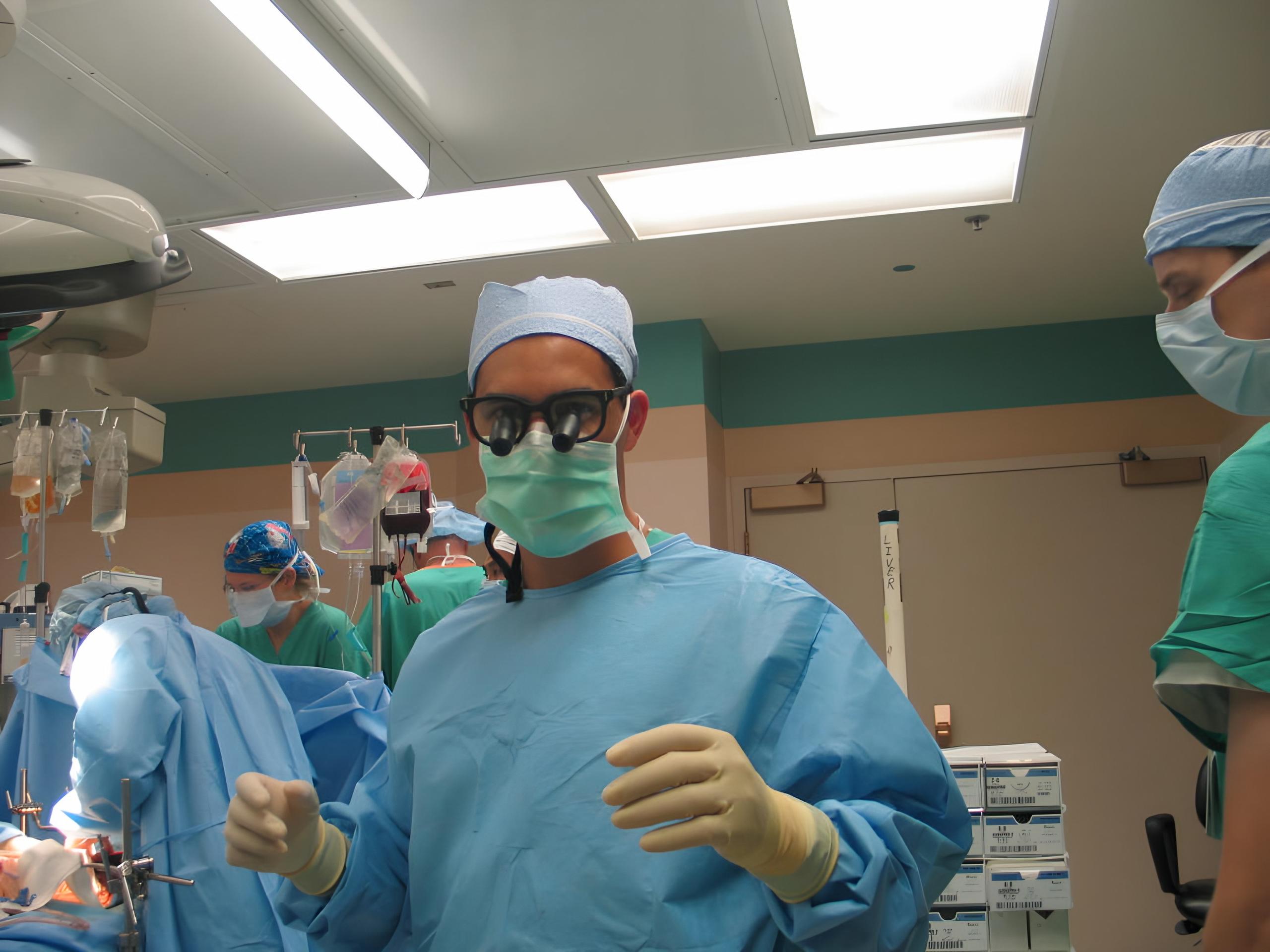
Procedure
In this treatment, chemotherapy is heated to high concentrations and released into the abdomen at the end of surgery. This procedure allows for a greater absorption of the medication by the tumor, destroying a larger number of cancer cells and making the treatment extremely effective.
The goal of HIPEC is to deliver chemotherapy directly to the cancer cells, unlike systemic chemotherapy, which circulates throughout the body.
Step-by-step HIPEC surgery
Read the video text
- 1. Peritoneal implants
Some cancers spread to the peritoneum, the membrane that lines the abdomen and the organs, in small implants.
- 2. The cytoreduction
First, the surgeon removes all visible implants.
- 3. Heated chemotherapy
Next, heated chemotherapy circulates inside the abdomen for about 60 to 90 minutes to reach the cells that are not visible.
- 4. End of the procedure
The team drains the solution and the surgeon closes the abdomen.
3D DIDACTIC ANIMATION, NO REAL SURGERY IMAGES · DETAILS OF EACH SURGERY DEPEND ON THE CASE
Cases and explanations
Each video includes the text of what is said below it. The surgical cases have real images and only start when you click.
Young male patient, 41 years old, with colon cancer. The primary tumor was removed several months ago: he underwent a left colectomy with distal pancreatectomy because the tumor invaded the pancreas. He completed 8 cycles of FOLFOX and also had metastases in the liver.
Today, we took the patient to the operating room. We performed some wedge resections in the liver: here, in segment 4 and segment 3, and an anatomical resection of segment 7. Additionally, we performed a peritonectomy and a HIPEC procedure with oxaliplatin.
We also performed a pelvic resection, with resection of the rectum for implantation in the distal rectum. Now, we will finish with the intestinal anastomosis. We washed the abdomen with hydrogen peroxide and performed a 30-minute HIPEC with oxaliplatin.

Dr. Eduardo Fernandes
Liver, pancreatic, biliary, and transplant surgeon. Professor of surgery at UFRJ, with a fellowship in liver and intestinal transplantation at the University of Nebraska, and experience in centers from the United States, Asia, and Europe.
Contact the care team
The office is in Gávea, Rio de Janeiro. Patients elsewhere in Brazil or abroad can send their medical records for an initial review.
RUA MARQUÊS DE SÃO VICENTE, 25, 5TH FLOOR · GÁVEA · RIO DE JANEIRO