
 Português
For hard-to-manage type 1 diabetes, often in combination with a kidney transplant.

A pancreas transplant is an option for some people with difficult-to-control type 1 diabetes, especially when the disease has already led to kidney failure. With a functioning pancreas, the body resumes insulin production, and daily insulin injections may no longer be necessary.
The most common type is a simultaneous pancreas-kidney transplant, performed in the same surgery with organs from the same deceased donor. There are also pancreas transplants after a kidney transplant and, in selected cases, isolated pancreas transplants.
Procedure
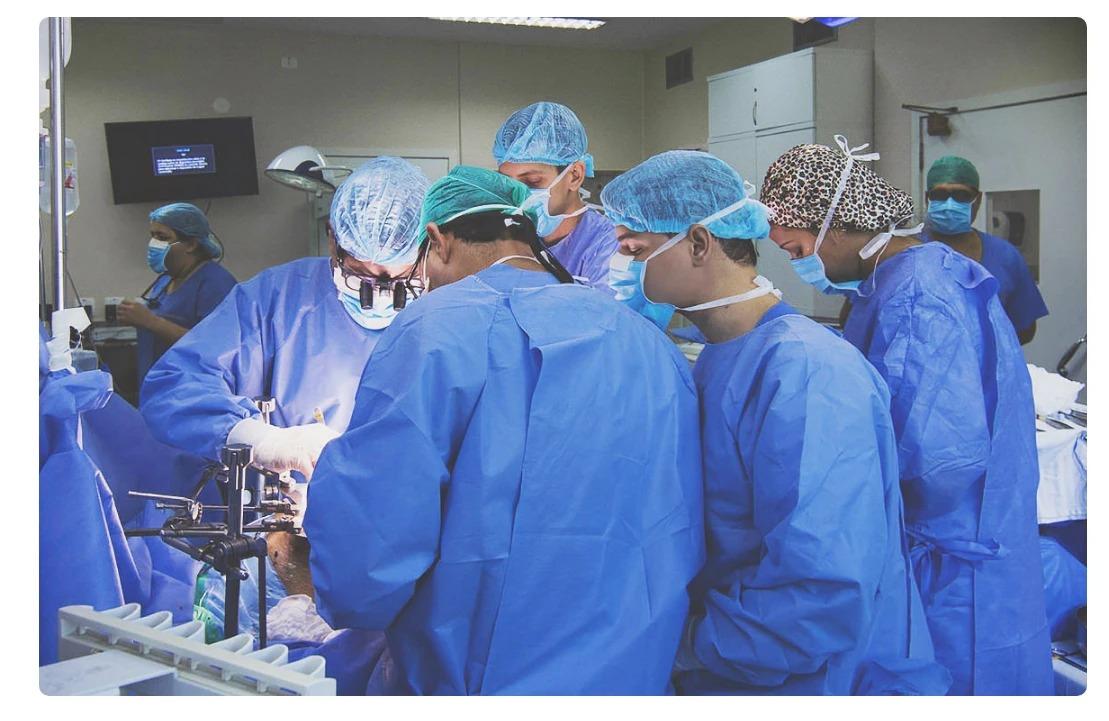
The new pancreas is placed in the lower abdomen. The blood vessels of the organ are connected to the patient's vessels, and the pancreatic secretions are drained into the intestine. The patient's own pancreas remains in place.
After surgery, medications to prevent rejection are permanent. Follow-up includes monitoring of blood sugar levels, kidney function, and periodic imaging tests.

Dr. Eduardo Fernandes
Liver, pancreatic, biliary, and transplant surgeon. Professor of surgery at UFRJ, with a fellowship in liver and intestinal transplantation at the University of Nebraska, and experience in centers from the United States, Asia, and Europe.
Contact the care team
The office is in Gávea, Rio de Janeiro. Patients elsewhere in Brazil or abroad can send their medical records for an initial review.
RUA MARQUÊS DE SÃO VICENTE, 25, 5TH FLOOR · GÁVEA · RIO DE JANEIRO