
 Português
Liver, pancreatic, and bile duct operations performed through small incisions.
This camera-based surgical technique can be used to operate the digestive system. Videolaparoscopic hepatobiliary and pancreatic surgery focuses on the treatment of benign or malignant diseases of the liver, bile ducts, and pancreas. It involves a large and challenging group of complex surgical procedures, which require high levels of specialization and skill.
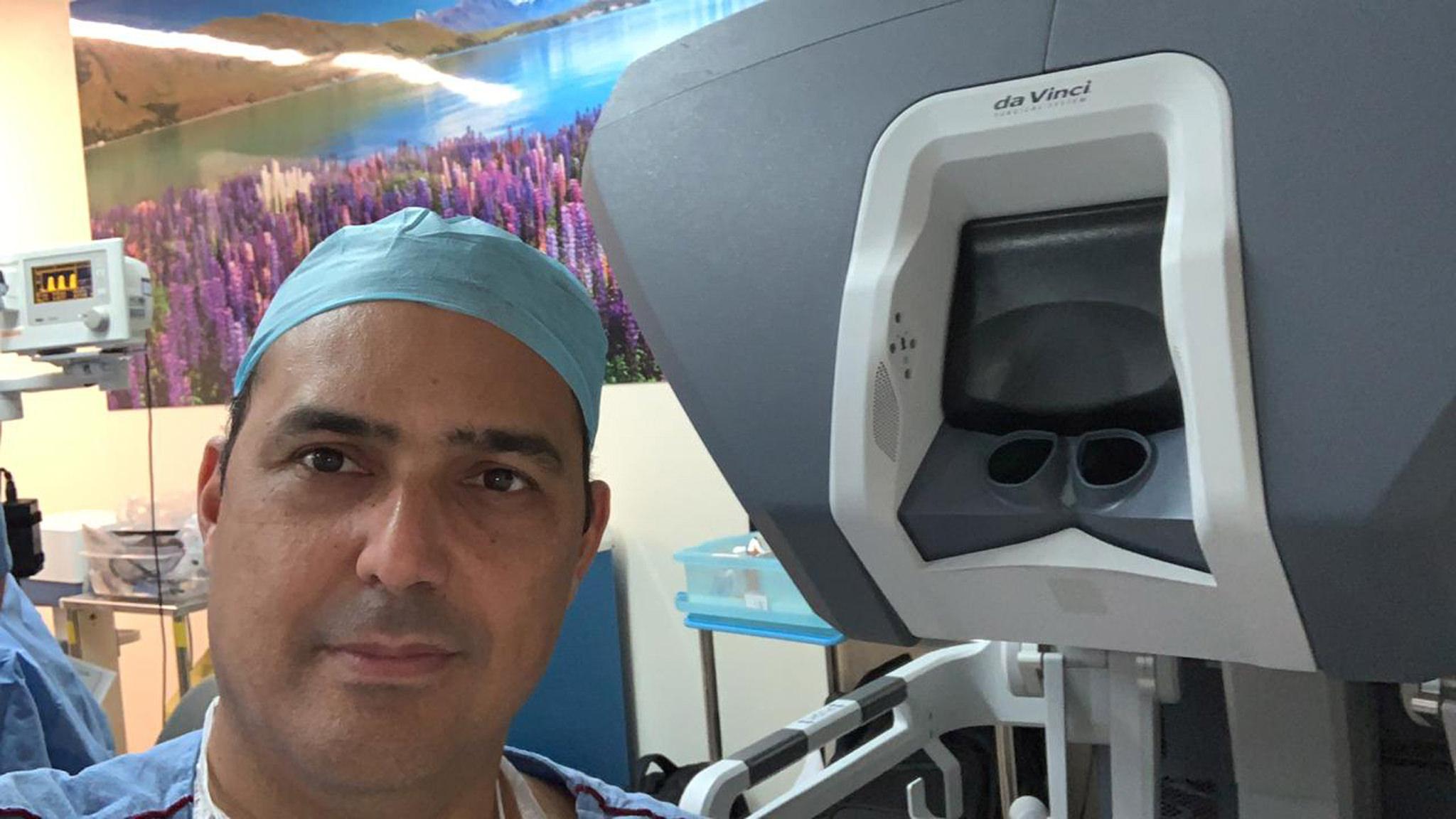
How the surgeon operates with the robot
The surgeon operates on a 3D screen. Sitting at the console, they control the camera and instruments that enter through small incisions. The choice of this approach depends on the planned operation and the team's evaluation.
Procedure
Videolaparoscopic surgery consists of a minimally invasive procedure with 3 to 6 small incisions for the introduction of a microscopic camera and other small instruments necessary for the removal or cutting of an organ or part of it. The camera generates images on a computer screen, magnifying the organ up to 20 times, providing great precision for the procedure to be performed by the doctor. With minimal cutting, patient recovery is much faster than in an open surgery.
Step-by-step video surgery
Read the video text
- 1. The abdomen from the inside
In video surgery, the surgeon operates the abdominal organs without making a large incision.
- 2. Gas and small incisions
The abdomen is inflated with gas to create space. Small incisions allow a camera and fine forceps to enter.
- 3. Surgery through the camera
The surgeon operates by looking at the enlarged camera image, using long forceps or a robot.
- 4. Small incisions
After surgery, the patient has several small incisions.
3D DIDACTIC ANIMATION, NO REAL SURGERY IMAGES · DETAILS OF EACH SURGERY DEPEND ON THE CASE
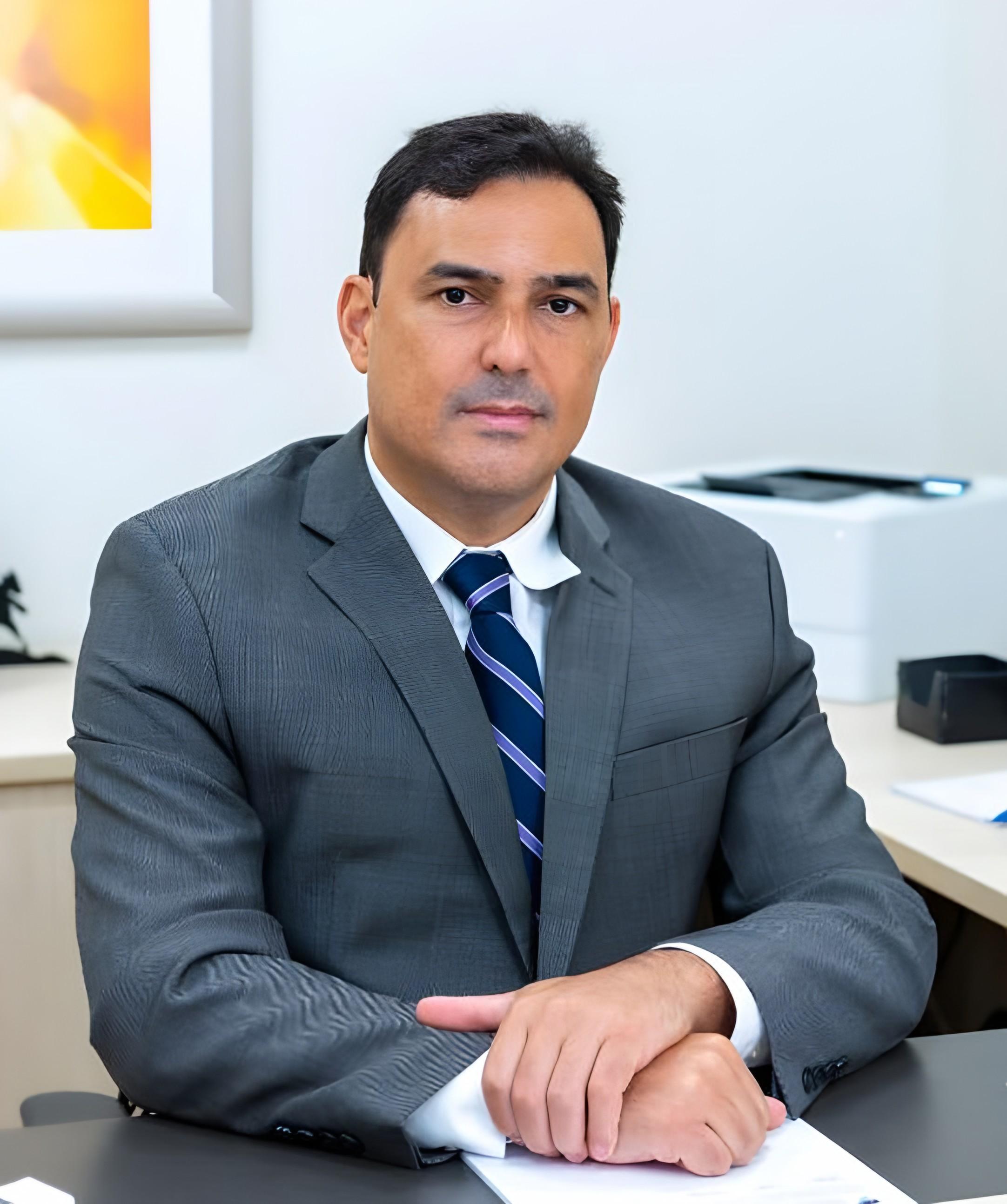
Dr. Eduardo Fernandes
Liver, pancreatic, biliary, and transplant surgeon. Professor of surgery at UFRJ, with a fellowship in liver and intestinal transplantation at the University of Nebraska, and experience in centers from the United States, Asia, and Europe.
Contact the care team
The office is in Gávea, Rio de Janeiro. Patients elsewhere in Brazil or abroad can send their medical records for an initial review.
RUA MARQUÊS DE SÃO VICENTE, 25, 5TH FLOOR · GÁVEA · RIO DE JANEIRO